
Healthcare Providers
From disc to discovery.
Receive and share imaging in the format patients and providers need. Avandra brings physical and digital image sharing together and helps prepare imaging data for research. More than 2,000 hospitals use DatCard and Sorna technology today.
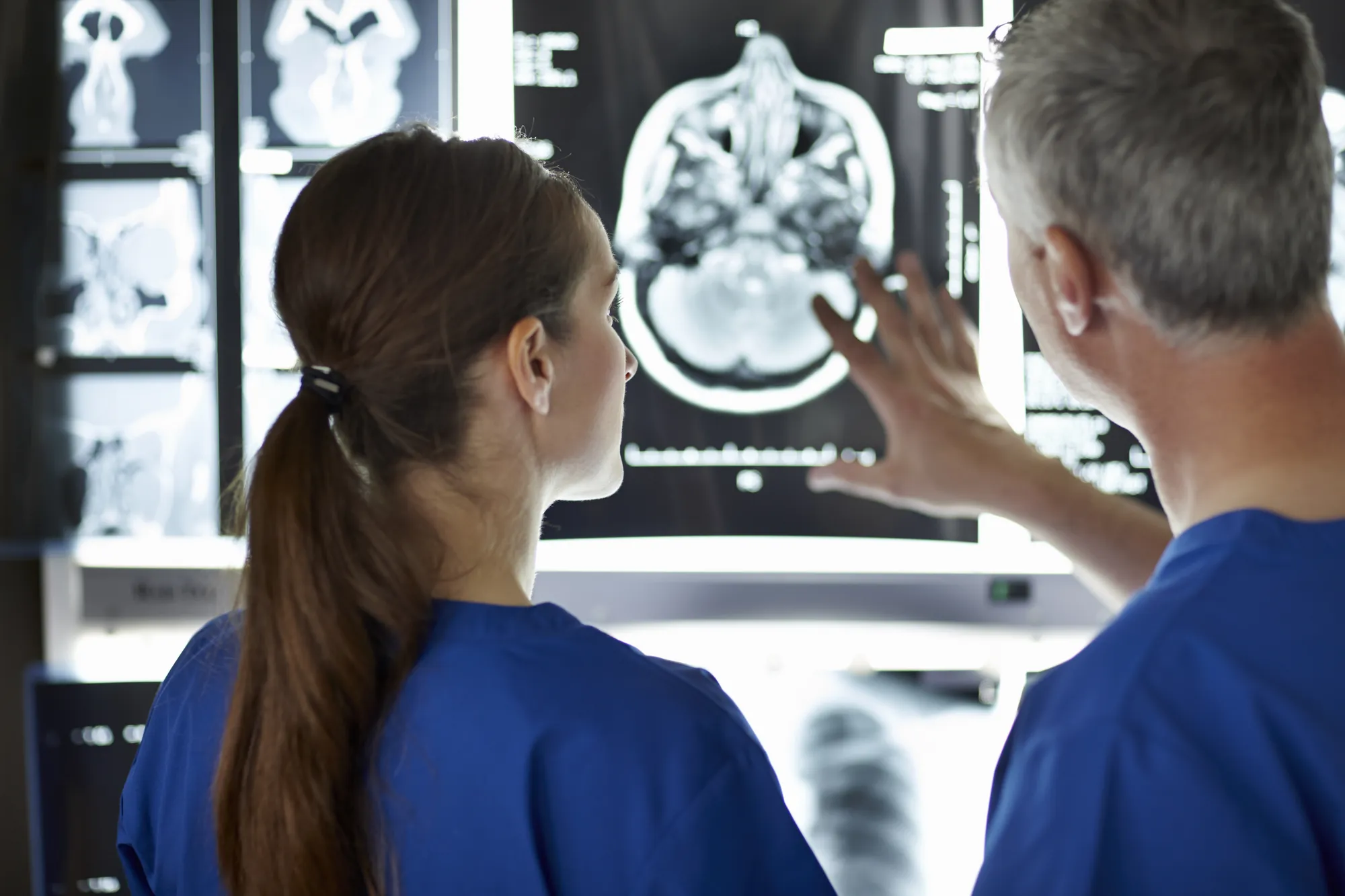
Physical and digital sharing
Don't ditch the disc. Fix the workflow.
Burn a CD, share a secure digital link, or send directly to another facility or provider. Inbound studies are received and reconciled in the same workflow.
| Option | What happens | Best for |
|---|---|---|
| Burn a CD | DICOM CD, DVD, or USB with a viewer on the disc | Patients leaving with their study, facilities that accept only media |
| Share a secure link | The recipient opens the study in a browser with a separate access code | Patients, referring providers, second opinions |
| Send direct | Study delivered to another facility's system | Transfers, standing referral relationships, affiliated sites |
| Receive and reconcile | Outside discs imported, uploads accepted, studies matched to the right patient in PACS | Prior studies for the next read, inbound referrals |
PacsCube and Vertex
Two suites, in the products you already know
Avandra's image exchange is organized into a Physical Image Sharing Suite and a Digital Image Sharing Suite. Each is available in the PacsCube line from DatCard and the Vertex line from Sorna.
| Suite | Capabilities | PacsCube line | Vertex line |
|---|---|---|---|
| Physical Image Sharing | Produce discs and USB, import outside media, scan paper and film, export studies | PacsCube, Media Importer + Scan | Vertex CD, Import, Scan, Export |
| Digital Image Sharing | Share secure links and accept uploads | PacsCube Digital Sharing | Vertex Share and Upload |
Operational value
Less time moving images, more time with patients
Fewer handoffs
One vendor for discs, links, and direct send means one contract, one support number, and no gaps between systems.
Simpler staff workflows
Staff learn one application. Requests for a disc and requests for a link start in the same place.
Easier access to prior studies
Inbound studies are reconciled into PACS, so priors are there when the radiologist needs them.
Dependable sharing
Patients and referring providers get studies in the format they can open, with every disc carrying a viewer.
Research-ready data
Make your imaging archive research-ready
Your archive already holds years of imaging. Archive indexing and an automated DICOM de-identification pipeline prepare it for internal research and for sharing with external researchers. This process runs separately from image sharing, and only when your organization chooses.
- 1
Index the archive
Catalog what your imaging archive holds so your teams can see what data exists and search for relevant studies. - 2
De-identify automatically
An automated pipeline removes identifiers from DICOM metadata and pixels, with defined quality checks. - 3
Use it for research
Make the de-identified data available to your own researchers, or share it with approved external researchers.
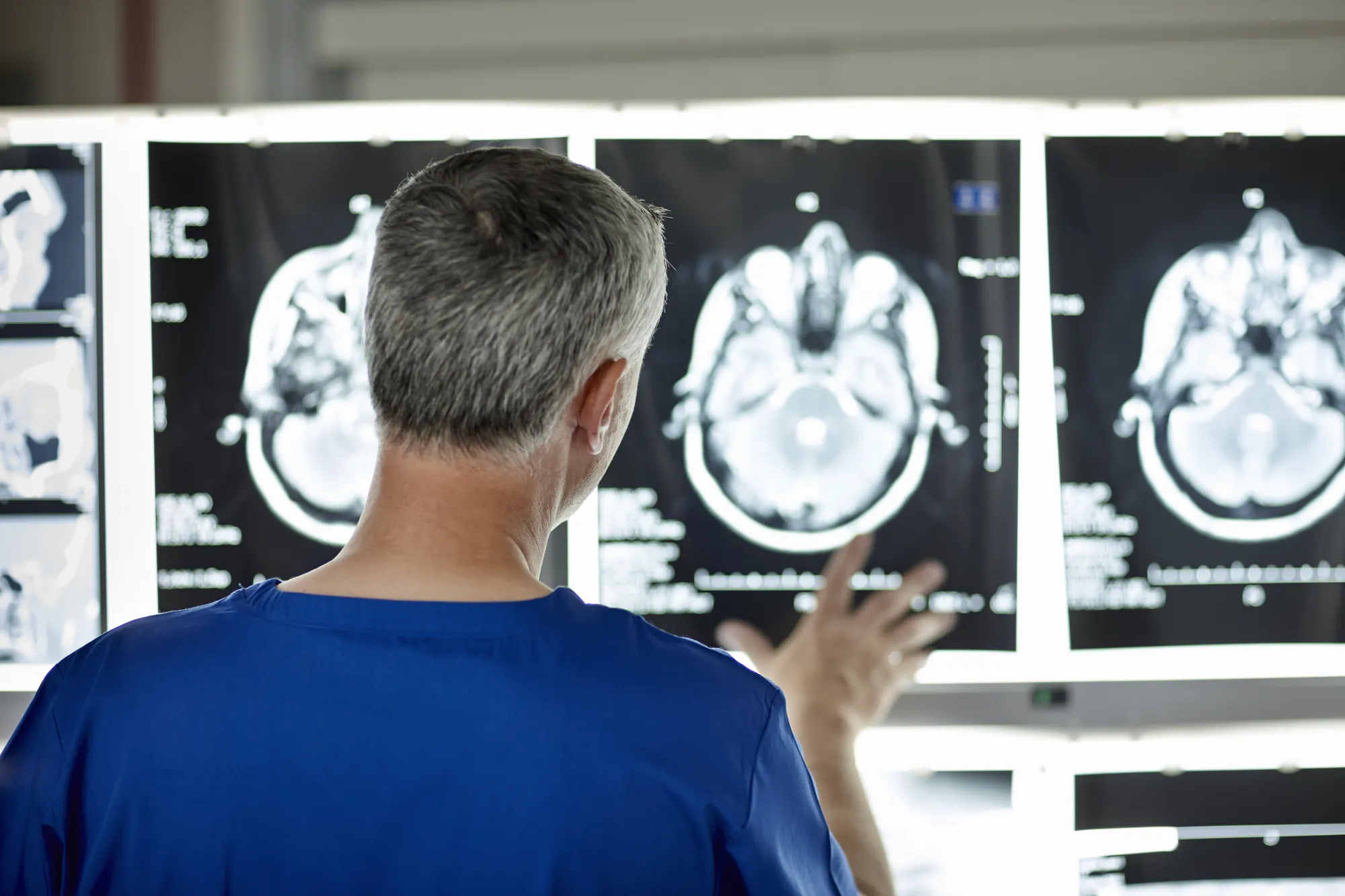
Data Partnership
Extend the connections you already have
The Data Partnership program builds on your existing image-sharing connections to produce research-ready imaging data, for internal use or for approved external research under a revenue-sharing model. Your institution keeps control: an image-sharing relationship is never automatic enrollment.
Healthcare providers, answered
Can one vendor handle both CDs and digital sharing?
We run PacsCube. Is that the same as Vertex?
Does using Avandra for image sharing enroll our data in research?
Does Avandra replace our PACS?
Who supports existing Sorna and DatCard customers?
See it in your own workflow
A 30-minute demo, scoped to the way images move through your organization today. Bring your PACS administrator.